

Client Results
Real examples of how clients think more clearly, perform under pressure, and step into bigger roles.

Leadership Coaching
Building Leadership Capability for Promotion
Leon Bourke, Lead Engineer, Lloyds Banking Group
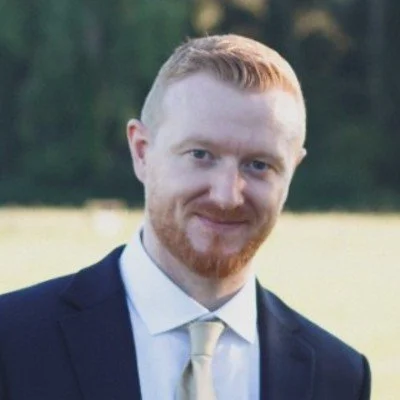
"Something I was worried about before coaching was that lots of coaching is very general purpose and not the kind of focus I really wanted. Going through the sessions with Sakina, it's clear there are many frameworks built specifically for me. We've worked on listening, communicating better, giving feedback in one-to-ones and larger meetings, and everything has been customised to my role. It's been a game changer."
-
When Leon and I began working together, he was progressing well in his engineering career and leading a large team of engineers across complex technical projects.
While technically strong, he recognised that the next step in his career would require more than technical expertise. He wanted to strengthen his leadership capability, communicate more effectively, and position himself for promotion into a more senior leadership role.
He had worked with coaches before but was looking for something different. Rather than generic coaching, he wanted structured, practical leadership development supported by neuroscience-backed frameworks he could apply in his day-to-day role.
-
We started by identifying Leon's long-term career goals and the leadership capabilities he needed to develop to reach them.
From there, we built a personalised coaching programme centred around real situations he was navigating every week.
Using neuroscience-backed leadership frameworks, we worked on:
Developing more structured and effective 1:1s with senior and junior engineers
Improving communication and feedback across his team
Strengthening executive presence in leadership conversations
Managing energy and increasing productivity across multiple priorities
Applying practical leadership frameworks to real workplace challenges
Rather than theoretical discussions, every session focused on solving immediate leadership challenges while building the skills required for the next stage of his career.
-
Leon moved from relying on instinct to leading with greater structure, confidence, and intention.
His conversations with engineers became more purposeful, feedback became easier to deliver, and he developed a more consistent leadership approach supported by practical frameworks he could use repeatedly.
By improving how he communicated, prioritised, and managed his energy, he began operating at a higher leadership level while preparing himself for promotion.
-
Clear leadership development plan aligned with promotion goals
More structured and productive 1:1 meetings
Greater confidence delivering constructive feedback
Improved communication with senior and junior stakeholders
Higher productivity through better energy management
Personalised leadership frameworks tailored to his role and thinking style

From Reactive Execution to Strategic Ownership
Anthony Bednarek, Account Executive, Salesforce

“Before coaching, I was completely reactive. I’d start each day without clear intention and just respond to whatever came in.
Now, I approach my work with structure and clarity. I’m more strategic in how I position myself, more confident in my decisions, and much more focused on what actually moves the needle. It’s completely changed how I show up at work.”
-
When Anthony first started coaching, he was capable but operating without clear direction.
His days were reactive. He showed up without a defined plan, responding to emails, requests, and immediate demands rather than driving meaningful outcomes. Despite strong underlying ability, there was a lack of focus, intention, and consistency in how he approached his work.
He wasn’t fully capturing his potential or positioning himself strategically within the organisation.
-
We focused on building a more intentional and structured way of working.
Using neuroscience-based coaching, we introduced practical frameworks to shift how Anthony thought, planned, and executed day to day:
Moving from reactive work to intentional, goal-driven execution
Developing a strategic mindset around visibility, influence, and positioning
Pressure-testing ideas to sharpen thinking and decision-making
Building consistent weekly structures to create momentum and accountability
Strengthening focus and clarity in a high-distraction environment
The focus was on turning raw capability into consistent, repeatable performance.
-
Anthony moved from reacting to his environment to actively shaping it.
He became more deliberate in how he approached his work, building on progress week to week rather than starting from scratch each day. His thinking became more structured, his execution more focused, and his confidence significantly stronger.
He began to operate with a clear sense of ownership, treating his role with a strategic lens rather than a task-based mindset.
-
Stronger focus, intention, and consistency in daily performance
Shift from reactive execution to strategic, proactive leadership of his role
Increased confidence in decision-making and execution
Successful transition into a new team with greater growth potential
Improved internal visibility and influence through deliberate relationship-building
Clearer thinking and the ability to prioritise high-impact work
Career Coaching
Leadership Coaching
From Individual Contributor to Influential Global Leader
Grazia Aversano, Senior Marketing Leader, Criteo

“Working with Sakina helped me significantly strengthen my leadership presence at Criteo. I had the technical expertise but wanted to show up with more authority and clarity in senior discussions. Through her coaching, I became more deliberate in how I communicate, structure my thinking, and influence conversations. I now feel far more confident navigating complex leadership situations.”
-
When Grazia and I began working together, she had recently transitioned from an individual contributor role into leadership at Criteo.
She was highly capable, with strong technical expertise. But the shift to managing a team and operating in a more visible, high-stakes environment brought new challenges.
Like many first-time leaders, she experienced imposter syndrome and hesitation in senior discussions. Despite having valuable insights, she often held back in meetings and found stakeholder management difficult.
-
We focused on strengthening how Grazia showed up in leadership environments.
Using neuroscience-backed principles around cognitive framing, attention, and confidence under pressure, we worked on:
Structuring her thinking before high-stakes conversations
Communicating ideas with clarity and intent
Showing up more confidently in senior meetings
Navigating stakeholder dynamics with greater control
The focus was not on adding more skills, but on changing how she thought and responded in the moment.
-
Grazia moved from hesitation to confident contribution.
She became more deliberate in how she communicated, more present in leadership discussions, and more effective at influencing conversations.
Instead of holding back, she started to bring clear, structured perspectives into complex conversations and engage senior stakeholders with greater authority.
-
Transition from individual contributor to people leader
Promotion to a global leadership role managing a multicultural team
Stronger executive presence in senior discussions
Greater confidence in navigating complex stakeholder environments
Recognised internally as an influential leader
From Overloaded CEO to Strategic Leader Driving Scale
Carrie Caladine, CEO, Right Legal Group

Before coaching, I was involved in everything. My time was stretched across too many priorities, and it felt like I was constantly working without moving things forward in the way I wanted.
Now, I’m much clearer on where I need to focus. I delegate more effectively, have more direct conversations when needed, and spend my time on what actually drives the business. It’s changed how I lead and how we’re able to scale.
-
As CEO of Right Legal Group, Carrie was operating under constant pressure.
She was managing the business, leading the C-suite, hiring, and navigating board and investor expectations following new private equity investment. The volume and complexity of decisions meant she was involved in everything, from strategic priorities to day-to-day operations.
This created significant cognitive load. Long hours became the norm, including weekends, and time was spread too thin across competing priorities. Delegation was limited, and difficult conversations were often avoided, which added further pressure.
The challenge was not capability, but how to operate effectively at CEO level while scaling the business.
-
We focused on simplifying how Carrie approached leadership, decision-making, and time.
Using neuroscience-based principles around cognitive load, attention, and executive function, we introduced practical shifts:
Prioritising high-impact decisions aligned to business growth
Creating clear boundaries between strategic and operational work
Strengthening delegation and developing a leader-coach mindset with her team
Building confidence in handling difficult conversations directly and effectively
Structuring her time to reduce overload and increase focus
The focus was on reducing complexity and enabling better thinking, not adding more.
-
Carrie moved from being deeply involved in everything to leading with clarity and intention.
She became more selective in where she spent her time and energy, focusing on the work that truly moved the business forward. Delegation improved, her team stepped up, and she began to operate more as a strategic leader rather than a hands-on manager.
She also became more confident navigating difficult conversations, which reduced friction and improved alignment across the leadership team.
-
Reduced cognitive load and more effective use of time
Clearer prioritisation of high-impact work
Stronger delegation and leadership capability within the team
Improved confidence in handling difficult conversations
More strategic focus aligned to scaling the business
Better balance and more sustainable performance at the CEO level
Executive Advisory
Leadership Coaching
Stepping Into a Director Role: Leading with Confidence Under Pressure
Sarah Parsons, Director, Croydon Council
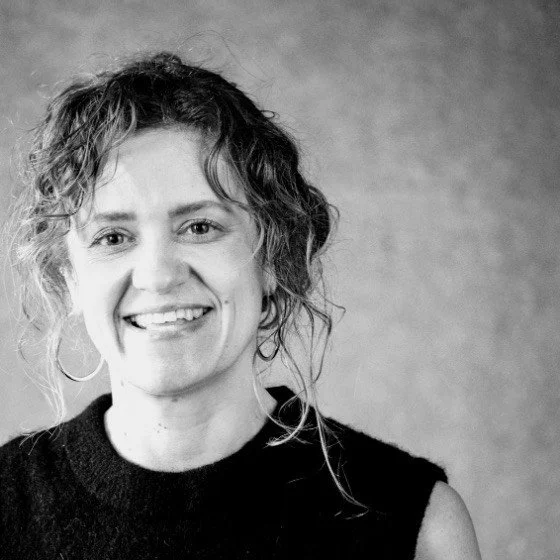
“Working with Sakina, I’ve become much more disciplined in how I structure my day, which has had a big impact on how I make decisions under pressure. She gives me practical tools, and when we meet again, we refine them based on what I’m dealing with. That’s helped me step back, think more clearly, and lead more calmly and deliberately”.
-
When Sarah stepped into a Director-level role at Croydon Council, the expectations shifted significantly.
She was moving into a more strategic position, with greater visibility, responsibility, and pressure. The challenge was not capability, but how to fully step into the role.
She wanted to leave behind old habits, build confidence at this level, and operate with more clarity and intention in how she led.
-
We focused on strengthening how Sarah approached leadership day-to-day, particularly under pressure.
Using neuroscience-backed principles around cognitive awareness, emotional regulation, and decision-making, we introduced practical tools she could apply immediately:
Building awareness of her reactions in high-pressure situations
Creating structured start and end-of-day rituals to improve focus and reflection
Strengthening confidence in how she approached challenges and decisions
Developing more intentional ways of leading her team and navigating complexity
The focus was on giving her tools she could apply consistently, not just in theory but in practice.
-
Sarah became more intentional, structured, and calm in how she operated.
Instead of reacting to pressure, she learned to pause, step back, and respond with greater clarity. She developed stronger discipline in how she approached her day, and more confidence in how she showed up as a Director.
This allowed her to lead with a sense of control, even in high-pressure situations.
-
Stronger confidence stepping into a Director-level role
More structured and intentional approach to daily leadership
Improved ability to manage pressure and make decisions calmly
Greater strategic focus and clarity in leadership
Consistent use of practical tools to support performance
From Individual Contributor to Enterprise Leader Under Pressure
Michael Trakimas, Senior Director, Analog Devices

“Sakina’s done a really nice job of balancing thinking and exploring together, but also coming up with real tools and actions that I can implement every day to improve not just the way I work, but also how I interact with those around me.
She’s helped me think differently about how I lead my team, delegate responsibility, and create more space for strategic work while also being more present at home with my family.”
-
When Mike stepped into a senior enterprise leadership role, the demands on him expanded quickly.
He was managing teams, driving decisions, and handling the complexity of leading at scale, all while still operating close to the ground. Over time, the weight of it started to accumulate. Days became reactive. Cognitive load increased.
The pull to provide answers rather than lead through questions made it harder to step back and think strategically, while the pressure began to affect both his performance and his ability to switch off outside of work.
-
The focus of the coaching was to help Mike evolve how he operated day to day, both as a leader and as a decision-maker under pressure.
Using neuroscience-informed coaching principles around cognitive load, leadership behaviour, and executive performance, we introduced practical shifts that could be implemented immediately:
Creating more structure and intentionality in how he approached his day
Building clearer boundaries to improve focus and recovery
Strengthening delegation and reducing reactive management habits
Shifting from directing conversations to leading through questions
Creating more ownership and accountability within his team
Freeing up mental space for higher-level strategic thinking
Rather than adding complexity, the work focused on simplifying how Mike led and operated.
-
Mike became more deliberate, structured, and intentional in how he approached leadership.
Instead of carrying everything himself, he learned how to create more ownership within his team while stepping back into a more strategic role.
One of the biggest shifts was moving away from always providing answers and instead leading through better questions, allowing his team to grow while reducing unnecessary cognitive load on himself.
At the same time, he developed stronger routines and boundaries that helped him become more present outside of work, improving both performance and work-life balance.
-
Stronger transition from individual contributor to enterprise leader
Improved delegation and leadership capability
More strategic use of time and attention
Reduced cognitive overload and reactive working patterns
Greater ownership and accountability within his team
Better work-life balance and ability to switch off outside work
Increased clarity, structure, and intentionality in day-to-day leadership
Leadership Coaching
Career Coaching
From Career Uncertainty to Clarity, Direction and a new role
Mohammad Raphae, Manager, Vistra

“Working with Sakina has been a game-changer for my career. I came to her feeling stuck and unsure of my next step, but through her thoughtful guidance and strategic approach, I gained clarity, confidence, and direction. Her ability to ask the right questions and challenge my thinking helped me align my strengths with real opportunities. I’ve since landed a role that excites me and feels aligned with who I am. More than finding a job, she helped me find purpose in my career.”
-
When Raphae came to coaching, he was feeling stuck and uncertain about his next career move.
He had strong experience and capability, but lacked clarity on direction. There was a gap between where he was and what felt aligned for him long term. Like many professionals at this stage, he was questioning his options without a clear framework to make confident decisions.
The challenge was not effort, but direction.
-
We focused on applying the Career Edge Framework to bring structure and clarity to his thinking.
Using neuroscience-backed principles around decision-making, self-awareness, and cognitive clarity, we worked on:
Clarifying his strengths and how they translate into real market opportunities
Identifying what aligned with his values, interests, and long-term direction
Challenging assumptions and limiting beliefs about his career path
Creating a structured approach to evaluating and pursuing new opportunities
The focus was on helping him think more clearly and make decisions with confidence, not guesswork.
-
Raphae moved from feeling stuck to having a clear sense of direction.
Instead of second-guessing his options, he was able to evaluate opportunities more objectively and take action with greater confidence. His thinking became more structured, and he approached his career decisions with more intention and clarity.
-
Clear direction on next career move
Increased confidence in decision-making
Successful transition into a role aligned with his strengths and interests
Stronger sense of purpose and ownership over his career
Practical framework for making future career decisions
Managing Cognitive Load in High-Growth Leadership
Sanad Karkar, Managing Director, Moonrock Consultancy

“Sakina has a knack for untangling complex career knots. Her off-beat questions spark fresh thinking, and her warm yet direct guidance turns rough ideas into solid next steps. She helped me swap stale routines for creative leaps. I would highly recommend working with Sakina, especially when the stakes are high”.
-
When Sanad stepped into the Managing Director role, the scope of leadership expanded fast.
He was balancing hiring, scaling the business, leading teams, and making constant high-stakes decisions.
Over time, the cognitive load started to compound.
Days became reactive. Decision fatigue increased. Constant context switching made it harder to focus on what actually moved the business forward — while the pressure began to impact both performance and well-being.
-
We focused on reducing cognitive friction and improving how decisions were made day-to-day.
Using principles from neuroscience around attention, cognitive load, and executive function, we simplified how Sanad approached his work:
Prioritising fewer, higher-value decisions
Reducing unnecessary context switching
Creating clearer separation between strategic and operational thinking
Small shifts in structure but high leverage in how he operated.
-
As cognitive load decreased, clarity increased.
Sanad moved from reactive decision-making to a more deliberate, structured approach.
He was able to focus on what actually mattered, with less mental noise and more consistency in how he showed up as a leader. -
Reduced decision fatigue and cognitive overload
Greater focus on strategic priorities
Clearer structure and discipline in daily leadership
More sustainable performance during a critical growth phase
Executive Advisory
Career Coaching
From Burnout to Clarity: Navigating a High-Pressure Environment and Transitioning Internationally
Christian Reiche, Senior Designer, ASHI Studio

“Working with Sakina has been a turning point. During a very difficult phase in my professional life, she helped me regain clarity and direction. Her approach is both practical and insightful. She helped me understand how I was responding to situations and how to handle them differently. I feel more grounded, more confident, and better equipped to manage both my work and the changes I’ve gone through”
-
When Christian and I began working together, he was operating in a highly challenging work environment that was taking a visible toll on his energy, focus, and overall well-being.
He was experiencing burnout. Day-to-day work felt heavy, reactive, and difficult to manage. At the same time, he knew he needed a career change but felt uncertain about how to navigate both the transition and his current environment in a sustainable way.
The challenge was twofold. Stabilise his day-to-day experience in a demanding environment, while creating clarity and momentum towards a new role.
-
We focused first on reducing the immediate cognitive and emotional load he was carrying.
Using neuroscience-based tools around stress regulation, cognitive awareness, and decision-making, we worked on:
Creating practical strategies to manage day-to-day pressure in a challenging environment
Building awareness of triggers and improving how he responded in difficult moments
Introducing simple structures to regain focus, energy, and control over his workdayAlongside this, we worked on the transition itself:
Clarifying what he wanted from his next role
Supporting him through the job search process with structure and consistency
Strengthening confidence in decision-making during the transitionOnce he secured a new role in Paris, the focus evolved:
Managing the transition into a new country and environment
Building routines and healthy habits to support stability
Navigating the pressures of a new role while maintaining balance and performance -
Christian moved from feeling stuck and depleted to operating with greater clarity and control.
Instead of reacting to his environment, he developed the ability to step back, regulate his response, and make more deliberate decisions.
During the transition to Paris, he was able to manage uncertainty with more confidence, settling into both a new role and a new country with structure and intention.
Over time, his focus shifted from simply coping to building a more sustainable and productive way of working
-
Successfully transitioned out of a challenging work environment into a new role
Relocated internationally with greater confidence and stability
Reduced burnout and improved day-to-day energy and focus
Stronger structure, habits, and productivity in a new roleImproved ability to manage stress and navigate pressure consistently
From Manager to Senior Manager at Deloitte
Rohail Farishta, Senior Manager, Deloitte

“Working with Sakina has been transformational. Her deep expertise and strategic insight into career development helped me confidently step into my first senior manager role. She guided me through the challenges of leadership, helped me build clarity and presence, and accelerated my growth in ways I couldn’t have achieved on my own. With Sakina’s coaching, I didn’t just get promoted, I became a stronger, more intentional leader.”
-
When Rohail and I began working together, he was operating at Manager level at Deloitte in a highly competitive environment, with several peers also aiming for promotion.
The challenge was not capability. He was already delivering strong work.
The gap was in how he was perceived as a leader.
He needed to strengthen his presence, communicate more effectively with senior stakeholders, and position himself as ready for the next level.
-
We focused on how Rohail showed up as a leader across the organisation.
Using neuroscience-backed principles around attention, cognitive framing, and confidence, we worked on:
Communicating ideas with more clarity and authority
Increasing visibility with senior stakeholders
Positioning his work within a broader leadership narrative
Shifting from execution-focused to leadership-focused thinking
As his role expanded, we also introduced practical systems to support the next level:
Delegation and team ownership
Protecting time for higher-level thinking
Creating daily structures to reduce cognitive overload
-
· Rohail moved from being seen as a strong contributor to being recognised as a leader ready for promotion.
· He became more intentional in how he communicated, more visible across the organisation, and more focused on leadership over execution.
· This allowed him to step into the Senior Manager role with greater confidence and clarity.
-
Promotion from Manager to Senior Manager at Deloitte
Stronger executive presence with senior stakeholders
Improved delegation, time management, and leadership discipline
Greater focus on strategic decision-making
Recognised internally as a strong candidate for further progression
Leadership Coaching
Leadership Coaching
Leading at Executive Level in a High-Pressure Environment
Nader Khosrovani, VP Marketing, Eye Security

“I really enjoyed my time with Sakina and found it incredibly valuable. She helped me with the leadership skills and tools I need to thrive in a demanding role and a high-pressure environment.”
-
When Nader stepped into the VP Marketing role at a fast-growing cybersecurity company, the scope of leadership shifted significantly.
He was now leading a global function while working closely with founders, C-suite executives, and investors in a high-pressure, high-stakes environment.
The intensity of stakeholder demands, strong personalities, and constant delivery pressure meant decisions often became reactive.
Like many leaders stepping into larger roles, he found himself saying yes too often, carrying a heavy cognitive load, and operating without enough space for strategic thinking.
-
We focused on strengthening how Nader operated at an executive level, particularly under pressure.
Using neuroscience-backed principles around decision-making, emotional regulation, and cognitive control, we introduced practical shifts in how he led day-to-day:
Prioritising high-impact work over reactive demands
Strengthening stakeholder management with founders and senior leaders
Communicating with more clarity and authority in board-level settings
Creating structure to manage complexity across a global team
The focus was not adding more. It was simplifying how he thought, decided, and led.
-
Nader moved from reacting to pressure to leading with greater clarity and control.
He became more deliberate in his decisions, more confident in senior conversations, and more effective at navigating complex stakeholder dynamics.
This allowed him to step fully into his role as an executive, not just a functional leader.
-
Stronger executive presence in board and investor conversations
More effective stakeholder management with founders and the leadership team
Greater clarity and prioritisation in a high-pressure environment
Improved leadership of a global marketing team
Sustained performance while scaling a fast-growing company
Strengthening Strategic Clarity at CEO Level
Elizabeth Heron, CEO, Orange Door

“Working with Sak has been nothing short of a game-changer for me and my organisation. As a CEO, I'm constantly faced with complex decisions, high-pressure situations, and the ever-evolving demands of the business world. Sak provided invaluable insight and perspective, helping me navigate these challenges with clarity and confidence. She challenged me to think differently, to push beyond my comfort zone, and to lead with intentionality.”
-
As CEO of Orange Door, Elizabeth operates in an environment where decisions carry significant consequences for the organisation, its people, and its long-term direction.
Leading at this level means constantly navigating complexity, stakeholder expectations, and uncertainty, while maintaining clarity and confidence under pressure.
When we began working together, she was looking for a trusted thinking partner to help her step back from operational demands and approach leadership challenges with greater strategic clarity.
-
We focused on strengthening how Elizabeth approached decision-making at CEO level.
Using neuroscience-informed principles around cognitive clarity, attention, and decision-making under pressure, we worked on:
Creating space for higher-quality thinking
Challenging assumptions and default patterns
Reframing complex leadership decisions
Exploring multiple perspectives before committing
The goal was not more input, but better thinking.
-
Elizabeth moved from navigating complexity reactively to engaging with it more deliberately.
She was able to step back, see situations more clearly, and approach decisions with greater confidence and intention.
This strengthened her ability to lead with conviction while managing the evolving demands of the business.
-
Greater clarity and confidence in complex decision-making
Stronger strategic thinking in high-pressure environments
More intentional leadership and executive presence
A trusted external perspective for navigating CEO-level challenges
Improved ability to step back from operational pressure and think strategically
Executive Advisory
Executive Advisory
Creating Structure, Focus, and Flow in a High-Demand Creative Business
Jenni Davies, Founder, Chilli Creative

“I was juggling a lot of different projects and constantly being pulled in different directions. What’s changed is I now have structure in my days, no matter what’s going on.
I can sit down and get into focused work much faster, without spending hours trying to get there. I’ve been able to create more time for myself, while actually getting more done.”
-
Jenni was growing a successful copywriting agency, working across multiple projects with increasing demand.
As the business expanded, so did the complexity of her workload. She was managing competing priorities, constant context switching, and the pressure to consistently produce high-quality creative work.
While she had tried common productivity systems and routines, they were difficult to sustain. Her energy would drop after a few weeks, leading to frustration and inconsistency.
The challenge was not capability. It was creating a way of working that allowed her to access creativity on demand, manage her time effectively, and operate at a higher level without burnout.
-
We focused on improving how Jenni managed attention, energy, and cognitive load day-to-day.
Using neuroscience-based principles around focus, flow, and performance, we introduced practical tools she could apply immediately:
Creating structure in her day to reduce distraction and decision fatigue
Learning how to access flow states more consistently, particularly for creative work
Building the ability to switch off and recover, not just push through
Reducing friction caused by constant task-switching and competing demands
The focus was on giving her a repeatable way of working that supported both performance and sustainability.
-
Jenni moved from scattered and reactive to structured and intentional.
Instead of spending hours trying to get into a productive state, she was able to engage quickly with deep, focused work. She developed more control over her attention and energy, regardless of external demands.
This allowed her to operate with greater consistency, particularly in creative output, while maintaining a sense of control over her schedule.
-
Increased productivity without extending working hours
Greater ability to access and sustain creative focus
More structured and consistent daily workflow
Reduced distraction and faster engagement in deep work
More time and freedom created within her schedule
From BDR to Analyst: Making a Targeted Career Transition
Nicole Nwanze, Lead Project Manager, HSBC

“I came to Sakina burnt out and without direction. Through her coaching, I learned how to position myself properly, approach interviews with more structure, and go after roles that actually aligned with what I wanted”.
-
Nicole came to coaching at a point of transition, having left her previous role and looking to move into a more analytical career path.
She was working as a BDR in a tech startup but wanted to pivot into an analyst role. While she had some exposure to analytical work, it was not enough to confidently position herself for the roles she was targeting.
The challenge was twofold: building the right level of capability and repositioning her profile to reflect that shift.
-
We focused on creating a clear, structured pathway into an analyst role.
Using a combination of practical career strategy and neuroscience-backed principles around clarity and decision-making, we worked on:
Identifying the specific skills and experience gaps for analyst roles
Selecting targeted courses to build relevant capability and credibility
Completely restructuring her CV to reflect analytical strengths and transferable skills
Repositioning her LinkedIn profile to align with her target role
Strengthening her outreach strategy to connect with the right opportunities
The focus was on aligning her profile, skills, and strategy with the roles she wanted, not applying broadly without direction.
-
Nicole moved from uncertainty to a clear, focused approach.
Instead of feeling underqualified, she was able to confidently position herself for analyst roles with a stronger narrative and relevant skill set. Her applications became more targeted, and her outreach more intentional.
This gave her greater control over her job search and how she presented herself in the market.
-
Successful transition from BDR to analyst role
Stronger positioning of skills and experience for a new career path
Improved confidence in applications and interviews
Clear, structured approach to job search and outreach
Secured a role aligned with her interests and strengths
Career Coaching